The winner of the 2025 Andrew Britton Fellowship competition is Dr Lindsay Jones. Dr. Jones is a sessional lecturer at the University of Toronto Faculty of Music. She is currently revising her 2020 dissertation on Giuliani and Vienna’s musical markets into a book. Many congratulations to Lindsay.
The Cambridge Consortium for Guitar Research now invites applications for a Fellowship in memory of Dr. Andrew Britton. The Fellowship, which comes with an award of £500 thanks to the generosity of the Consortium’s patron, Jeffrey Wells, is open to those of academic background who are researching the history of the guitar and kindred instruments up to 1945. Preference will be given to those who are at an early stage of their work and who are conducting historical research on a nineteenth-century topic. The award is intended to cover all or most of the travel and subsistence costs, including accommodation and meals, incurred by the successful candidate in attending the biennial colloquium of the Consortium. The colloquia are held in Magdalene College of the University of Cambridge, England, the next to be convened on Friday 10 to Monday 13 of April 2026. The Fellowship provides an opportunity to share ideas with a group of established scholars in the field. Please see attached PDF for full details.
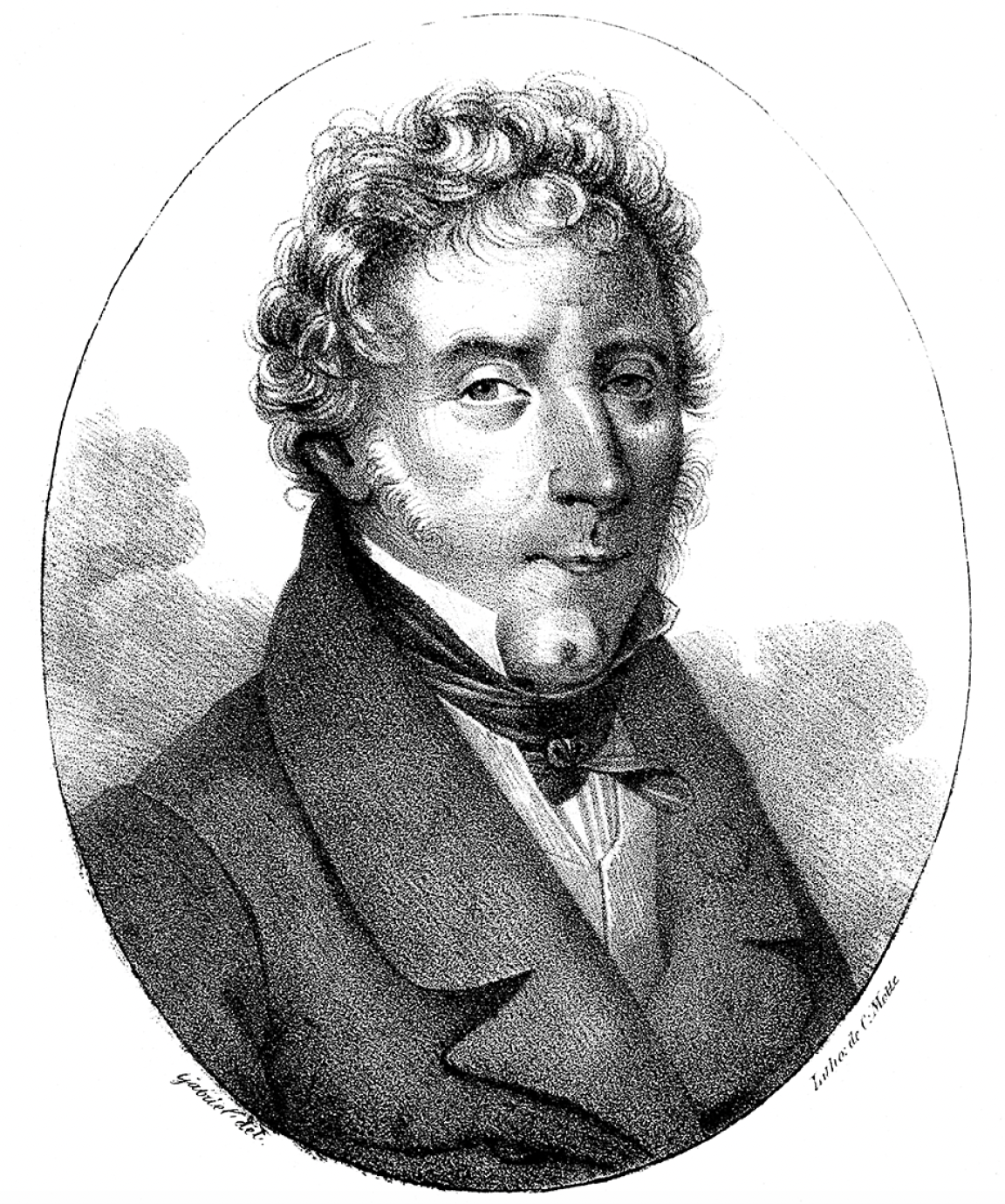
We are delighted to announce the publication of a new article by Damián Martín-Gil, ‘Nicolas Legros de la Neuville (1764-1844), the inventor of the “fixateur”’, The Galpin Society Journal, 78 (2025), 111-123 and 209-211.
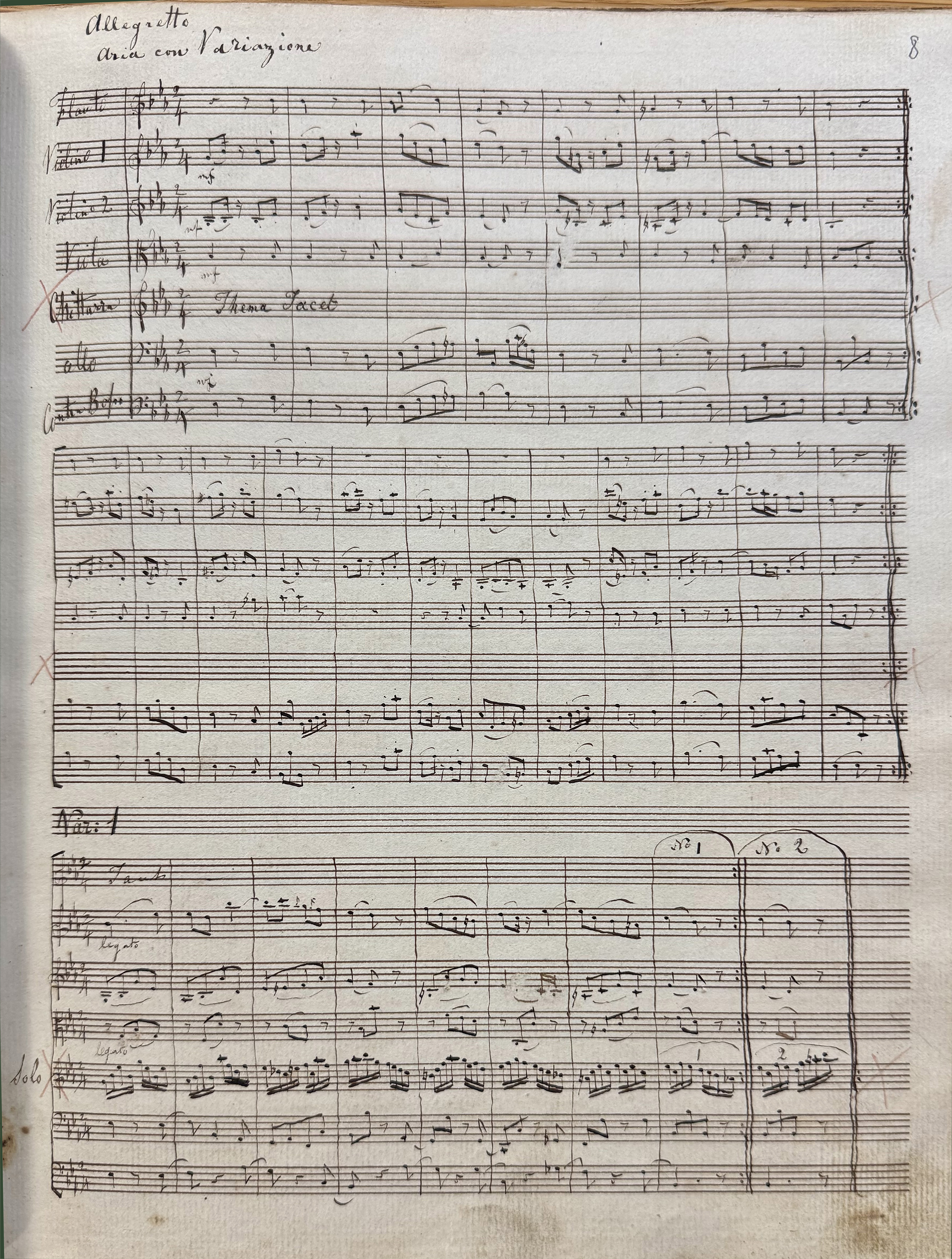
This edition of newly discovered septets, together with a sextet, presents five highly accomplished chamber arrangements for guitar, flute and strings of movements from chamber works (and in one case a complete sonata) by Mozart and Beethoven. They were all made by the London professional violinist George Pigott (1798-1853). Such large chamber scorings involving a guitar are a great rarity in the instrument’s nineteenth-century repertoire, and these are both skilful and engaging. The pieces were created for Alexander George Fraser, sixteenth Lord Saltoun and a keen guitar-player, for use with his friends, aristocratic amateur musicians, in his London mansion.
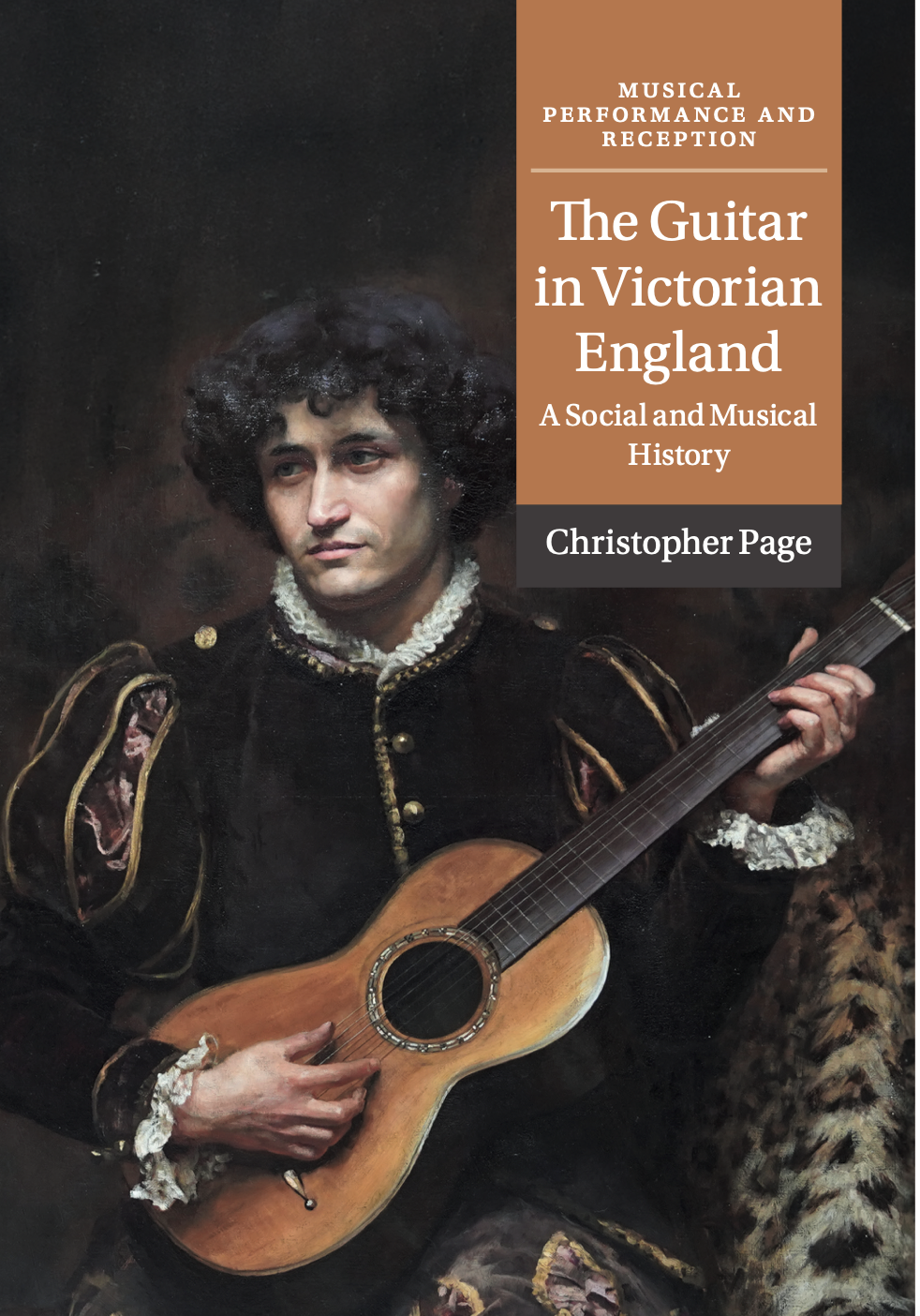
We are pleased to announce that Christopher Page’s book The Guitar in Victorian England: A Social and Musical History will be published by Cambridge University Press on 26 June.
We are delighted to announce the publication of Taro Takeuchi’s new article ‘Discovering the Georgian Lute’, which has just been published (online) in the Oxford University Press Journal, Early Music. Click here to read. The paper version will appear in the Autumn.
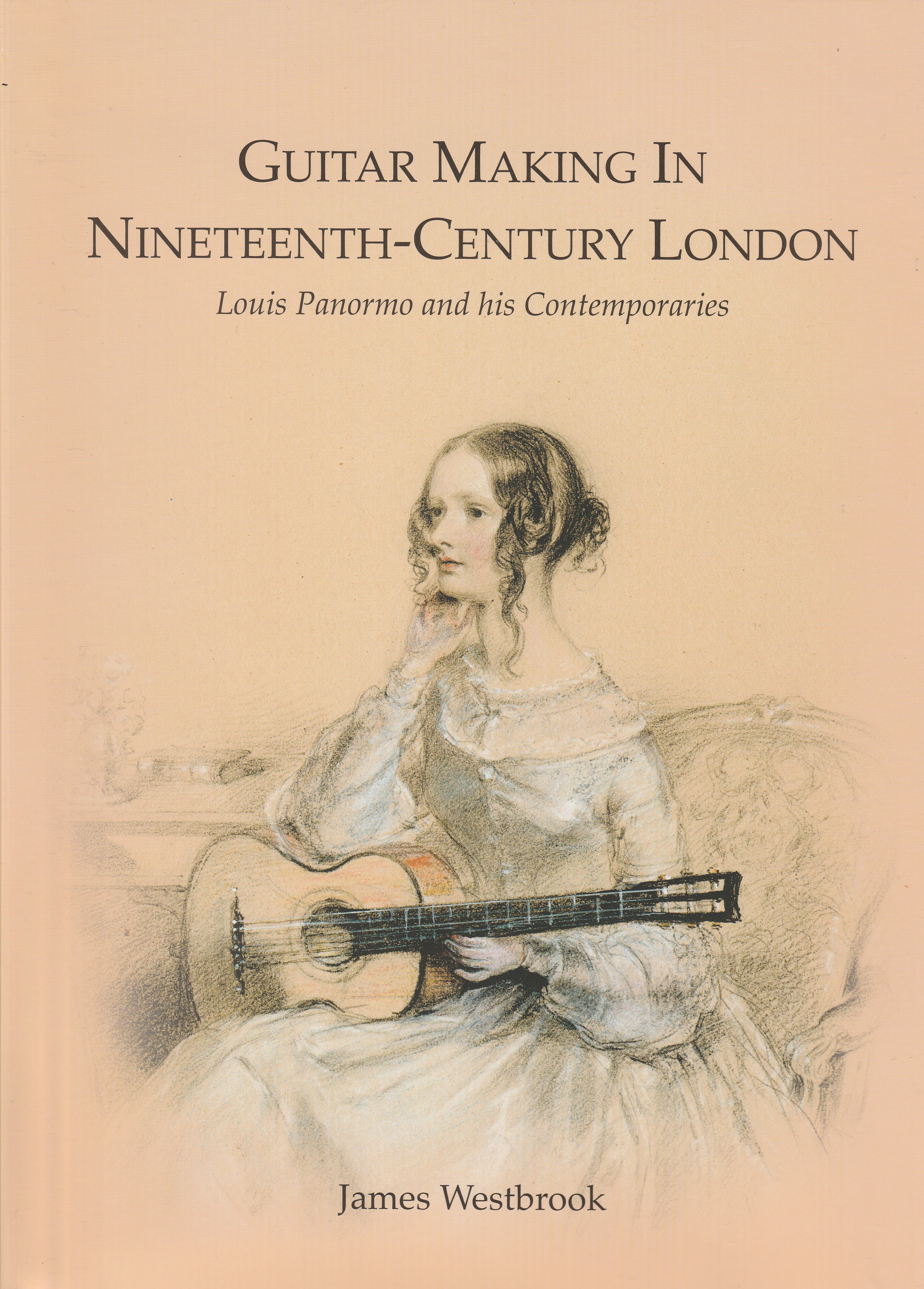
We are delighted to announce that James Westbrook has been awarded the 2025 Nicholas Bessaraboff prize by the American Musical Instrument Society for his book Guitar Making in Nineteenth-Century London. This prize is awarded annually for the most distinguished book-length publication on musical instruments written in English.
The citation reads:A masterful accomplishment that testifies to a lifetime dedicated to the guitar, this book provides the reader insight into the most productive era of British guitar making. The author’s meticulous attention to organological detail attests to his expertise, illustrated by the book’s 370 color pictures. The book’s directory of London-based guitar makers sets a new standard for encyclopedic compendia of makers. This book is sure to become the standard reference on nineteenth-century London guitar making.
With sad news, one of the most kind and generous people in the guitar world, Brian Whitehouse passed away on 20 January 2025. He had a long teaching career, holding appointments in music departments at many of England’s universities, but specifically, he was Head of Studies at The Birmingham Conservatoire. He was passionate about the history of the guitar and published three popular books: The Ramirez Collection, The Tàrrega-Leckie Manuscripts, and Dr Walter Leckie & Don Francisco Tàrrega. This has been combined with a considerable amount of recording and examining for the diplomas of the RCM. He also gave many talks including ones at the Festival of Great Britain and at the House of Ramirez in Madrid. He was the official importer of Ramirez guitars, through his firm, The Anglo Spanish Guitar Company as well as Director of the Classical Guitar Centre Ltd. He was also Patron of the Consortium for Guitar Research.
We are delighted to announce the publication of Dr. Sarah Clarke’s book The Periodicals of Ferdinand Pelzer (1833-1837), A German Musician in London, published by The Boydell Press for the London Record Society. The book contains annotated editions of the first niche magazine for guitar players in English, The Giulianiad (1833-5), together with three leaflets connected with Pelzer’s work as a teacher of choral singing and a text of his manual The Guitarist’s Companion of 1857.
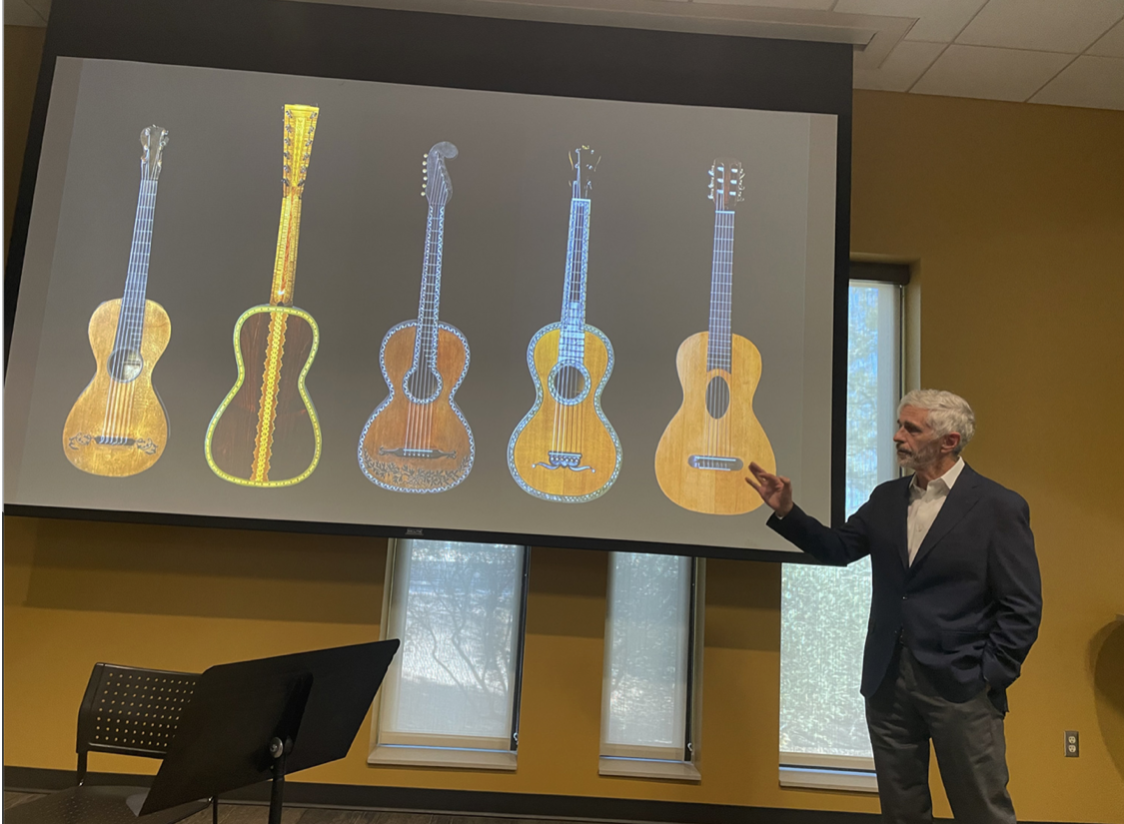
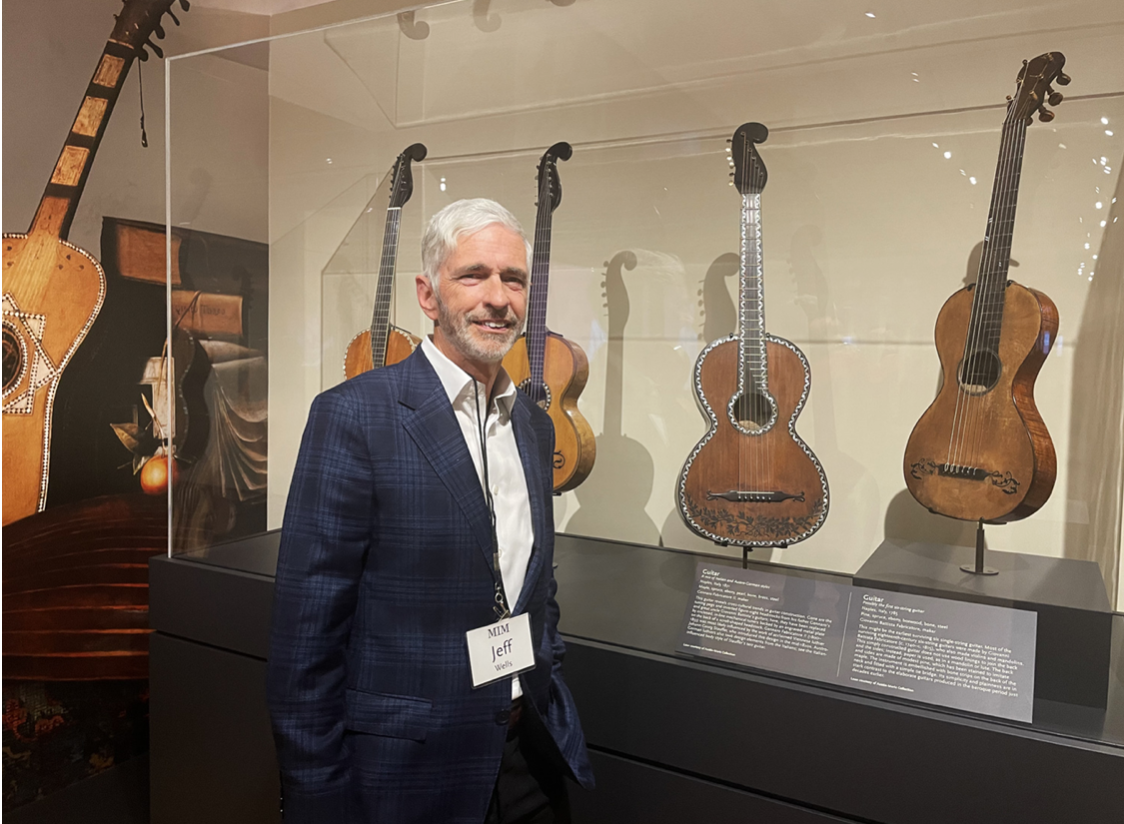
We congratulate our Honorary Member Jeffrey Wells who gave a presentation in November associated with an exhibition entitled Stradivarius and the Golden Age of Violins and Guitars at the Musical Instrument Museum (MIM) in Phoenix, Arizona. There were approximately seventy instruments on display in this year-long exhibition, twelve of which were on loan from Jeff’s own collection https://austinmarieguitars.com. The talk was given on Saturday and Sunday in the series of performances and presentations arranged for the opening week of the exhibition. Jeff traced the guitar’s history from the Renaissance four-course gittern to the consolidation of a six single string configuration in the nineteenth century and considered the 1581 Dias at the Royal College of Music in London which he compared to the instrument (a guitar or a vihuela?) of around 1590 at the MIM, attributed to Dias. With special reference to Amat, Jeff also considered the guitar’s role in leaving behind the ecclesiastical modes of medieval and Renaissance music theory and the emergence of a new kind of harmonic thinking. The four great makers of the seventeenth century five-course guitar were all reviewed, together with the transition from courses to single strings in the second half of the eighteenth century. Jeff noted Sanguino’s change from five to six courses and the way the Spanish were latecomers to the six-string arrangement (Augustine Caro’s 1803 instrument being the earliest example of six individual strings on a Spanish-made guitar). The talk closed in the first half of the nineteenth century when six strings became the standard disposition.



 The Cambridge Consortium for Guitar Research