
For various practical reasons the Consortium is not open for new members at the moment.
ORDINARY MEMBERS
Jelma van Amersfoort (Netherlands).
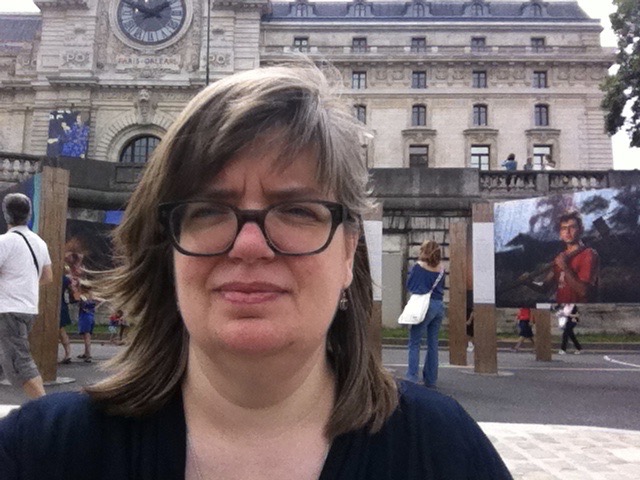
Jelma van Amersfoort is a musicologist and a performer on lutes and early guitars. She studied guitar and lute at the Conservatorium van Amsterdam and the Royal Northern College of Music in Manchester (UK), holds a masters degree in musicology from University of Amsterdam and a music PhD from the University of Southampton. Her research interests include 18th- and 19th-century guitar-accompanied song, 19th century women composers (particularly Pauline Duchambge (1776-1858)), and the performance practice of early guitars. Jelma published in Early Music and TVNM and works as a data analyst and programmer. See her website.
† Luis Briso de Montiano (Spain).
Luis Briso de Montiano studied classical guitar at the Real Conservatorio Superior de Música in Madrid, where he obtained his degree. He has been teaching in this institution and in other conservatories for more than three decades. In the field of musicology, his book Un Fondo desconocido de Música para guitarra. Música española y francesa para guitarra (c. 1790 – c. 1808) en la Biblioteca Histórica Municipal de Madrid (Ópera Tres, 1995) was the first sign of his interest in the Spanish guitar music of the eighteenth and nineteenth centuries.
† Andrew Britton (UK).

Andrew Britton worked initially as a language teacher and translator and held various positions within Bristol’s library and museum services. During his early years, he played both electric and acoustic guitar, but in 1974 abandoned them in favour of the classical instrument, studying first with Audrey Byard at Bristol Spanish Guitar Centre, and subsequently with John Edwards, John Mills, Duncan James and Stephen Gordon. He taught the guitar privately and at Bath Spa and Bristol Universities for several years. At the same time, he performed in solo, chamber and concerto concerts throughout South West England, and participated in the master classes of Roberto Aussel, Eliot Fisk, Carlos Bonell, Jonathan Leathwood and others. Around 1995 he developed an interest in historical guitars and period performance and studied the nineteenth-century guitar and its repertoire with Tom Kerstens in Bath. From 2006 he was actively involved in CHOMBEC (Centre for the History of Music in Britain, the Empire and the Commonwealth), based at the University of Bristol. He is the author of several local history studies and The guitar in the romantic period: its musical and social development, with special reference to Bristol and Bath (PhD diss., Royal Holloway College, University of London, 2010).
Romolo Calandruccio (Italy).

Romolo Calandruccio is a musicologist, guitarist and teacher. He began studying and graduated under the guidance of Maestro Stefano Magliaro in “Nineteenth Century Guitar” at the “D. Cimarosa” of Avellino. He did masterclasses with Alirio Diaz, Eliot Fisk, Manuel Barrueco and David Russel. For about twenty years, he has been engaged in research, the study of teaching, executive practice and performance with original instruments of the guitar repertoire between 1750 and 1850. He performs concert activities as a soloist, in chamber ensembles and with the orchestra. He founded The Early Guitar Duo with which he has been a guest at numerous international guitar festivals and events. He has held seminars and masterclasses in various Italian Music Conservatories on nineteenth-century performance practice in general and that of F. Carulli. He has published some teaching works for Guitar; of analysis on the op. 9 and 19 by F. Sor and on the op. 42 by F. Carulli; the critical revisions of the op. 320 and op.114 by F. Carulli, the latter is the first modern integral critical revision ever published. He collaborates with the guitar magazine “il Fronimo”, where he published the New Documented Biographies of Ferdinando Carulli and Matteo Carcassi. In 2023, thanks to his works on Carulli and Carcassi, he received the prestigious international award “Golden Guitar for musicological research”. He is the artistic director of the Nicotera International Guitar Festival “Guitaromanie” and a Guitar teacher at the Bruno Vinci Institute in Nicotera (VV). Website
Jan van Cappelle (Netherlands).
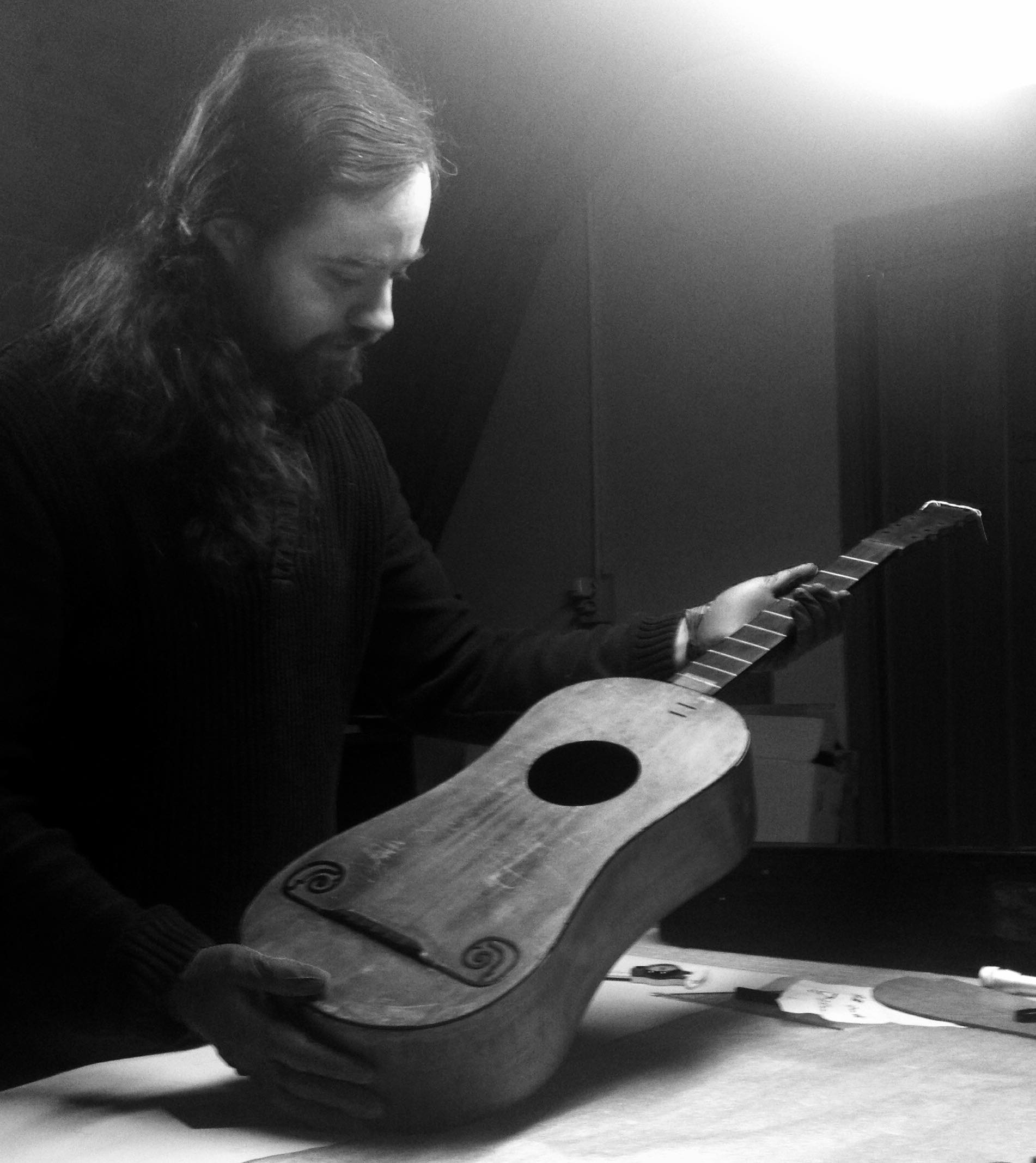
Jan van Cappella studied guitar and lute making at the International Lutherie School of Antwerp (ILSA) in Belgium (2005-2008), He has worked as a luthier ever since, making and restoring guitars and lutes of a wide variety of ages. Jan teaches a guitar making course at Dutch Bouwerskontakt. As an independent researcher and lecturer Jan studies historical instruments, wood- and metalworking techniques, tools, workshops, and instruments. This has resulted in detailed technical drawings for a wide range of historic instruments from Anglo Saxon and Germanic lyres, to baroque guitars and 1960s Danelectros. His investigations after the guitar making methods of Antonio Stradivari led to the publication of the article ‘Antonio Stradivari: guitarmaker’ in American Lutherie in 2015. He published ‘Making Masonite Guitars’ in 2015. In 2018 and 2019 he collaborated with Jelma van Amersfoort on the reconstruction of a 1760 five course guitar by Gosewyn Spyker of Amsterdam. Other interests include Living History events and Experimental Archaeology, early medieval string instruments like the Anglo Saxon and Germanic Lyre, and the Carolingian Cythara from the Utrecht and Stuttgart psalters. In his work Jan tries to make a synthesis between history, technology, arts, head, and hands. Website.
Sarah Clarke (UK).
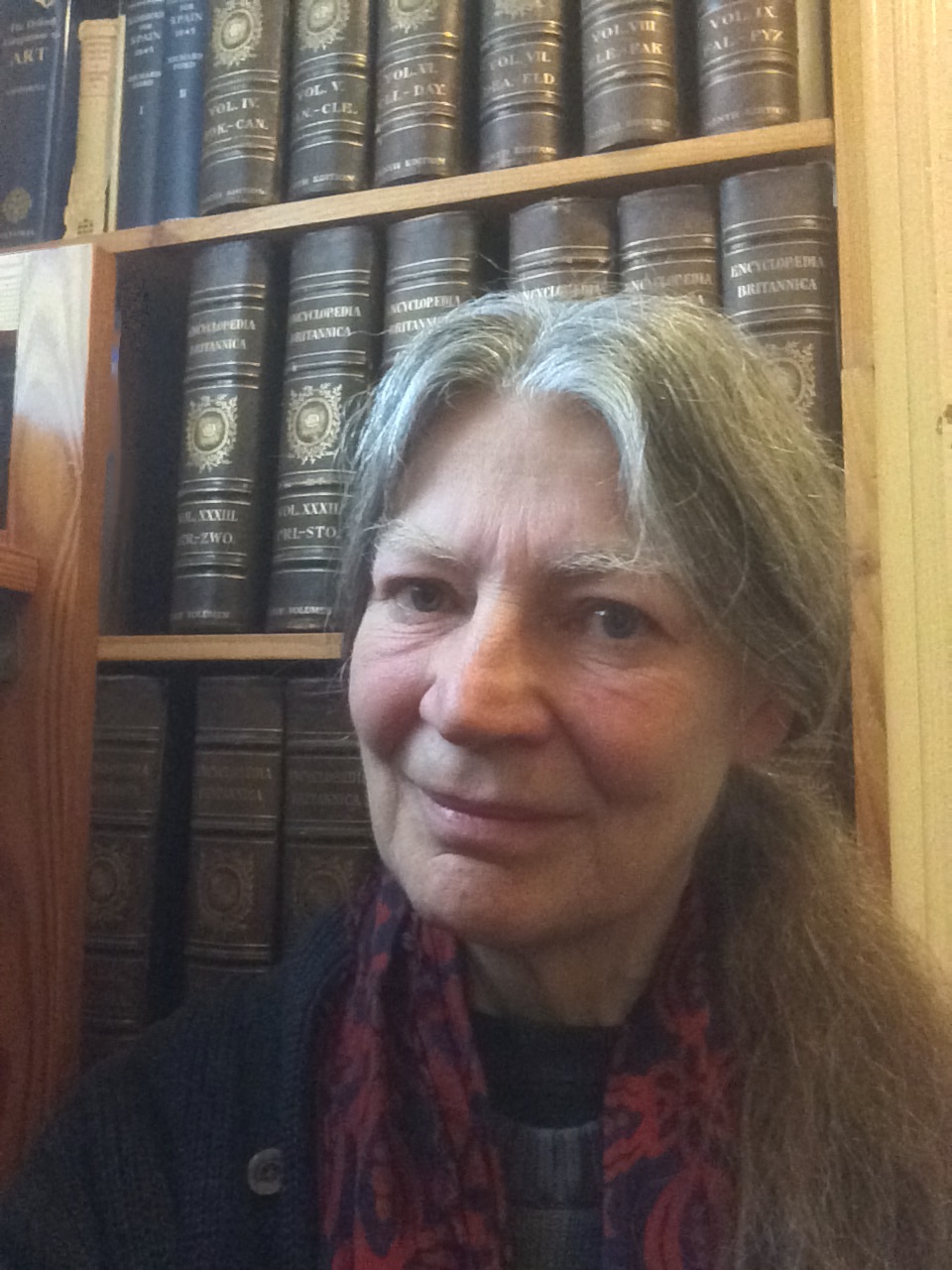
Sarah Clarke’s research interests focus on the guitar in nineteenth-century England. In 2018 she was awarded the Andrew Britton Fellowship by the Consortium for Guitar Research and in 2021 completed her PhD at the Open University with her thesis ‘An Instrument in Comparative Oblivion? Women and the Guitar in Victorian London’. Since then she has contributed chapters to The Great Vogue for the Guitar in Western Europe 1800-1840 ed. by Christopher Page, Paul Sparks, and James Westbrook (Boydell and Brewer, forthcoming) and The Routledge Companion to Women and Musical Leadership: the Nineteenth Century and Beyond ed. by Laura Hamer and Helen Julia Minors (Routledge, forthcoming). She is currently working on a book about the varied career of Ferdinand Pelzer (1801-1864).
Nicoletta Confalone (Italy).

Nicoletta Confalone completed her musical studies at the Conservatorio Francesco Venezze in Rovigo, where she graduated in guitar. She obtained degrees in Law at Ferrara University and in Musicology at Ca’ Foscari University in Venice, both cum laude, and was awarded the honorary prize Chitarra d’Oro for her research at the 2014 Alessandria International Guitar Meeting. She has played a prominent role in the revival of the guitarist-composer Emilia Giuliani, publishing in 2013 the first complete edition of her guitar works; her book Un angelo senza paradiso – La chitarra alla ricerca di Schubert, appeared in 2017. Her articles have been published in Il Fronimo and Soundboard Scholar, among other journals. Nicoletta Confalone is the only Italian member of the Consortium for Guitar Research at Sidney Sussex College, Cambridge, is Corresponding Member of the ancient Accademia dei Concordi in Rovigo and is Vice President of Associazione Musicale F. Venezze in Rovigo.
Damián Martín Gil (Spain).
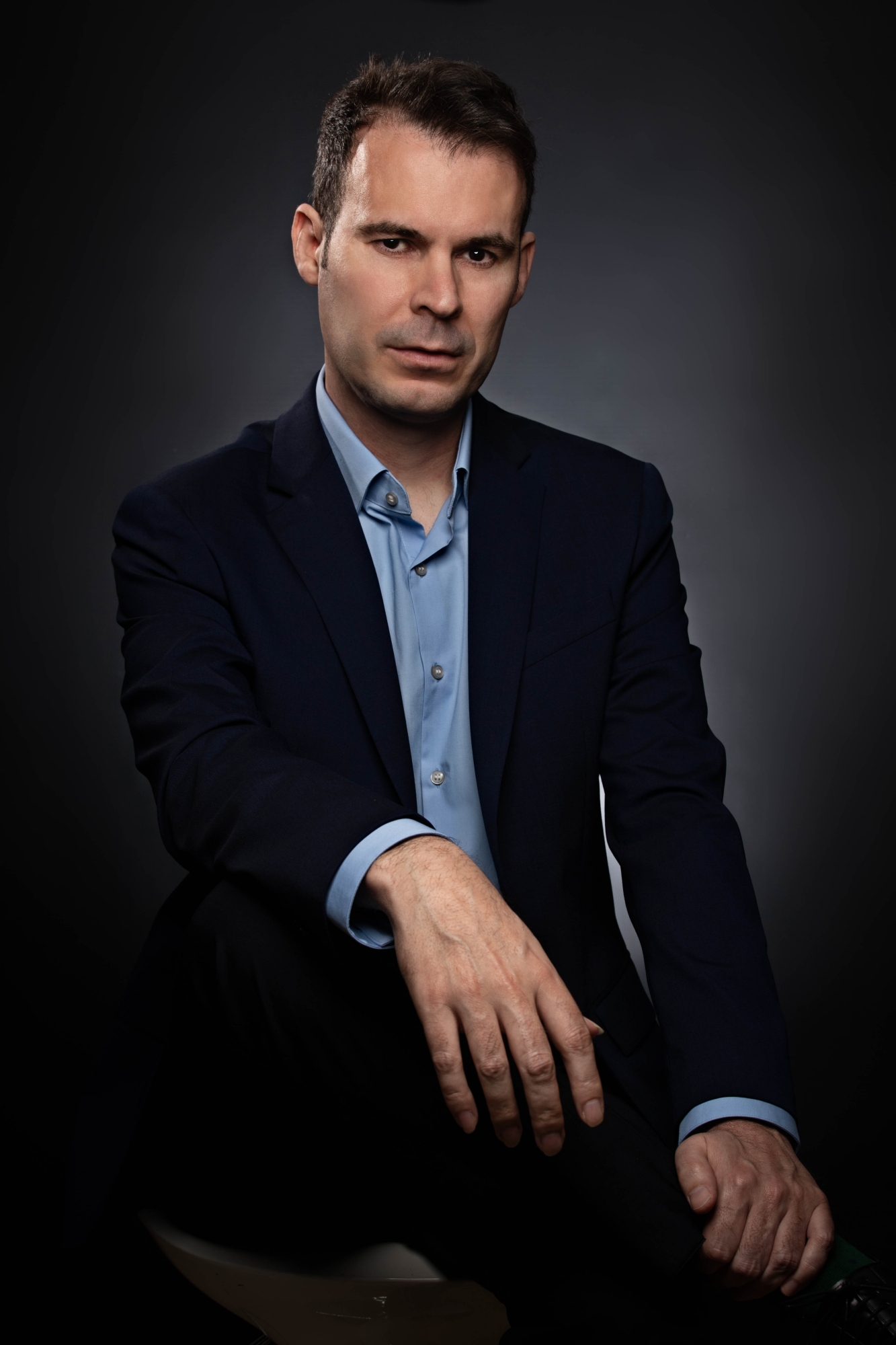
Damián Martín-Gil is a classical guitar teacher at the Conservatory of Music ‘Hermanos Berzosa’ in Cáceres (Spain). He has received grants from relevant institutions such as the Antonio Gala Foundation, The Research Council of Norway, the Caja Badajoz Foundation and the University of Poitiers, and was a recipient of the Andrew Britton Fellowship. His articles have been published in journals such as Eighteenth-Century Music, Revue de Musicologie, Soundboard Scholar, Soundboard, Il Fronimo and Roseta, and he has presented his research at numerous international conferences. He has recently edited the book The Classical Guitar in Spain, Portugal, Italy & Germany. A General Approach to Its History (Madrid: INAEM, 2023). He is currently pursuing his doctoral studies at the University of Poitiers (France) devoted to a thesis concerning the collections of music for voice and guitar published in Paris between 1750 and 1800. His article ‘Nicolas Legros de la Neuville (1764-1844), the inventor of the “fixateur”’, was published in The Galpin Society Journal, 78 (2025), 111-123 and 209-211.
Yseult Martinez (France).
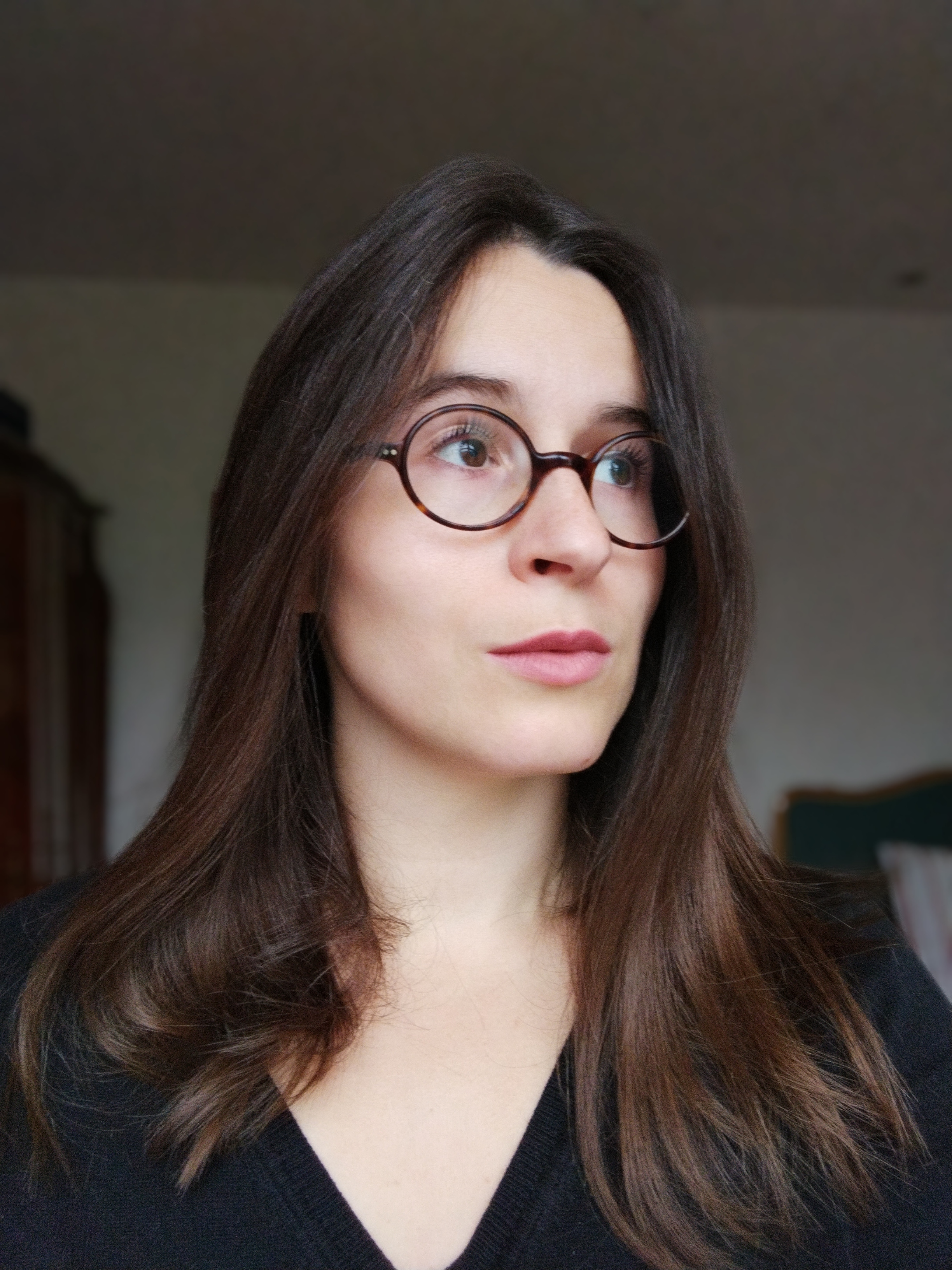
Yseult earned a Ph.D. in early modern history from Sorbonne University, with the dissertation ‘De la puissance des femmes: réflexion sur cinq personnages d’opéra créés par G. F. Handel pour Londres entre 1730 et 1737’, a research that was awarded with the Prix Philippe Lescat in 2023. She is especially interested in Italian opera librettos, particularly in tracing and analysing their evolution from the first version to later adaptations in order to better understand the choices made by the composer and librettist and, consequently, the expectations of the audience. Yseult is currently preparing the publication of her thesis with Classiques Garnier (forthcoming). Since September 2022 she has been working at the University of Angers as a postdoctoral researcher on the program ‘CastrAlter: Castrati. Discourses and experiences of otherness in the Europe of the Enlightenment’. After initial training in piano, she now studies the lute, theorbo and opera singing. She is now starting a new research project on the French guitarist and theorist François Campion.
Samantha Muir (UK).
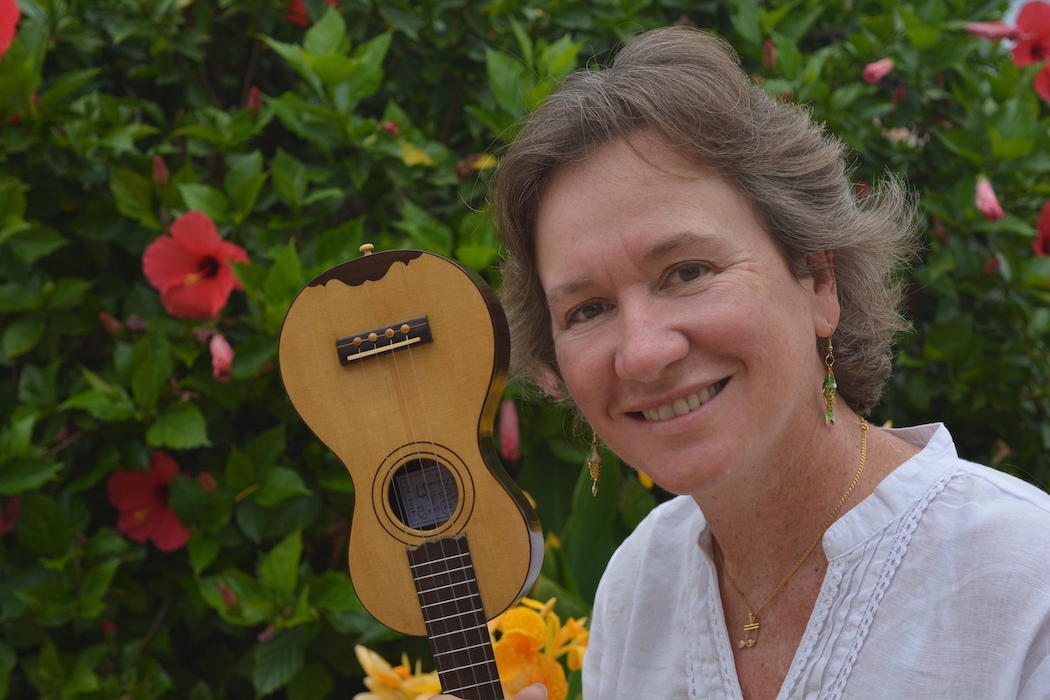
Samantha is an Associate of the Royal College of Music, London and a recipient of the Madeline Walton Guitar Prize. She is the first person to do a PhD on the ukulele (University of Surrey, Guildford, UK) and is a leading exponent of the classical ukulele style. She has performed and presented workshops at ukulele festivals across the UK and Australia and has given numerous talks on the classical ukulele style (the International Guitar Research Centre, the Guitar Foundation of America, 21st Century Guitar conference, Dublin Guitar Symposium and the European Guitar Teachers Association). Her compositions and arrangements are published by Schott and Les Productions d’Oz. As well as playing the guitar and the ukulele Samantha also plays the machete de Braga and the rajão – the forerunners of the ukulele from the Portuguese island of Madeira. She is a member of the International Guitar Research Centre at the University of Surrey. Her articles have been published in Revista Portuguesa de Educaçao Artistica and The 21st Century Guitar, and Research Paths in the Ukulele, UIC 2023, Milano University Press, 2023. Personal website.
Christopher Page (UK).
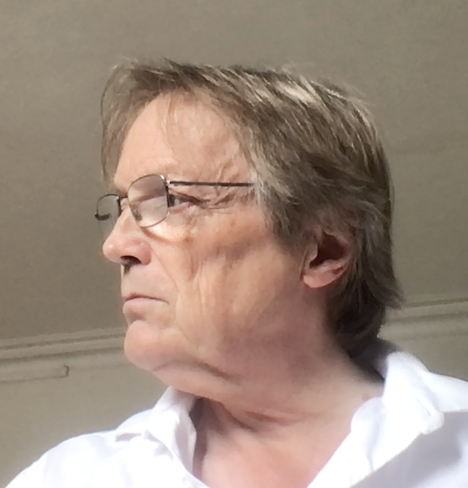
Christopher Page (UK). Christopher Page is a Fellow of the British Academy, a member of the Academia Europaea and Emeritus Professor of Medieval Music and Literature in the University of Cambridge. Between 2014 and 2018 he was Gresham Professor of Music at Gresham College, London (founded 1597). A Fellow of Sidney Sussex College, Cambridge, he holds the Dent Medal of the Royal Musical Association awarded for outstanding services to musicology. In 1981 he founded the professional vocal ensemble Gothic voices now with twenty-five CDs in the catalogue, three of which won the coveted Gramophone Early Music Record of the Year award. He has published numerous books and articles on medieval music. His books on the guitar are The Guitar in Tudor England: A Social and Musical History (Cambridge University Press, 2015), The Guitar in Stuart England: A Social and Musical History (Cambridge University Press, 2017) and The Guitar in Georgian England: A Social and Musical History (Yale University Press, 2021). A volume on the guitar in Victorian England is about to go to press with CUP. With James Westbrook and Paul Sparks, he edited The Great Vogue for the Guitar in Western Europe: 1800-1840 (Boydell and Brewer, 2022).
Gerhard Penn (Austria/Switzerland).

Gerhard Penn was born in Graz, Austria where he obtained a PhD in chemistry in 1984. After post-graduate studies he moved to Basel, Switzerland, where he worked as a chemist and is now retired. He started playing the guitar in 1972 and is mainly self-taught. Since 2003 Gerhard has been researching the history of the guitar in the 19th century, particularly in Vienna. This has resulted in the discovery of numerous new documents which shed new light on the career and life of Mauro Giuliani. Other guitarists and composers Gerhard is currently investigating are Leonard Schulz, Louis Wolf, Matteo Bevilacqua and Franz Tandler. Gerhard’s archival work has brought back to light lost or forgotten compositions by Leonard Schulz, François de Fossa, Wenzeslaus Matiegka and Ferdinand Rebay which are now published in modern editions and recorded by leading guitarists. In 2007 Gerhard Penn founded together with Andreas Stevens the biannual Lake Konstanz Guitar Research Meeting with the objective to bring together guitar researchers from all over the world in a dedicated conference. For his research work Gerhard received the Chitarra d’oro award at the 2015 Alessandria International Guitar Competition in Italy. Since 2016 Gerhard is an Ordinary Member of The Cambridge Consortium for Guitar Research.
Panagiotis Poulopoulos (Greece/Germany).

Panagiotis Poulopoulos holds a PhD from the University of Edinburgh for his thesis ‘The Guittar in the British Isles, 1750–1810’, which focused on the development of the wire-strung guittar, also known as English guitar (2011). His research interests include the history of instruments of music and science as well as interactions between technology and culture. He has published numerous articles and essays on the technical, economic, and sociocultural aspects of guitars and related stringed instruments. His latest book The Erard Grecian Harp in Regency England (Boydell & Brewer, 2023) examined the manufacture and marketing of Erard’s double-action harp using diverse sources and interdisciplinary approaches. Apart from his scholarly activities, Panagiotis has played guitar in various styles and ensembles. He is currently working as research associate in the Department of Technology at the Deutsches Museum, Munich. For more details see: Link to museum profile.
Jukka Savijoki (Finland).

Jukka Savijoki studied the guitar at the Sibelius Academy in Helsinki. He has performed across Europe, in Japan and both North and South America. Apart from solo work, important musical collaborations have included those with the flautist Mikael Helasvuo and the English tenor Ian Partridge. His commercial recordings comprise a wide-range of repertoire from Baroque music to contemporary works, many of which have received high critical acclaim. As well as for the Finnish Broadcasting Company, Savijoki has recorded for many European radio stations, most notably the BBC. Several Finnish and foreign composers have written works for him and for ensembles in which he plays. In 1983 Savijoki was appointed Head of Guitar Studies at the Sibelius Academy in Helsinki, a position from which he retired in 2016. In 1997 he graduated as a Doctor of Music and has published a book on the guitar works of the Viennese composer Anton Diabelli; a book on Finnish guitar history is in press. Savijoki has served on the juries of a number of guitar competitions and taught master-classes at a range of music academies around the world. As of 2016 he is a member of the advisory board of the Conservatorio della Svizzera italiana in Lugano. Savijoki has been awarded the honour of Knight of the Order of the Lion of Finland by the Finnish president.
Richard Savino (USA).
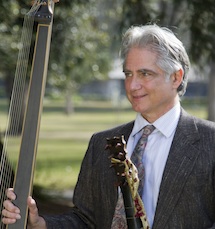
Guitarist/lutenist Richard Savino has been a featured performer throughout the US and abroad. His sponsors include the Frick Collection, Cloisters (Metropolitan Museum of Art, NY), Boston Early Music Festival International Series, Tage Alter Musik, Regensburg, London Early Music Network, Shrine To Music Museum, San Francisco/Seattle/ Vancouver/Victoria Early Music Societies, the Portland and Los Angeles Baroque Orchestras, the International Guitar Festival in Gargnano, Italy, the Guitar Foundation of America Festival and the National Guitar Summer Workshop. He has been Visiting Artistic Director of the Aston Magna Academy and Music Festival (1993, 1995, 2005, 2009), the Connecticut Early Music Festival (2002), and from 1994 – 1997 was Coordinator of Performance Practice at the Monadnock Music Festival in New Hampshire. See his website.
Thomas Schmitt (Germany/Spain).
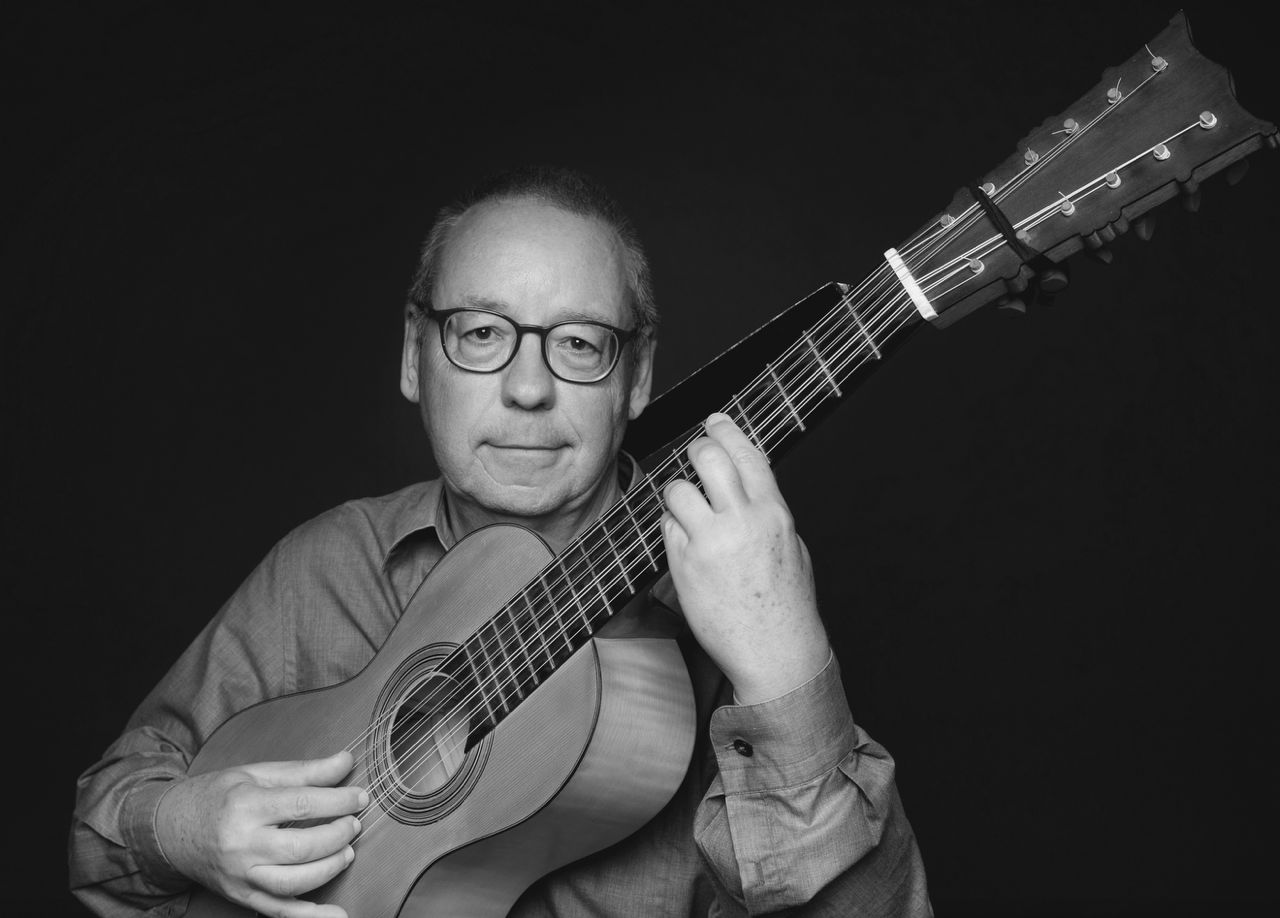
THOMAS SCHMITT is a guitarist and musicologist. He obtained a degree in guitar (with honours) from the Vienna University of Music and Dramatic Art (Universität für Musik und Darstellende Kunst) with Maestro Konrad Ragossnig, and a PhD in Musicology from the University of Mainz (Germany). In his works he relates research to musical interpretation. This desire is shown in various articles, on 6 CDs and in editions, among which those by Francisco Guerau, Poema harmónico, estudio, transcription y facsimile (Madrid, Alpuerto), and, recently, the Fandango. Music for guitar around 1800 (Vienna, Doblinger) stand out. His last four records are devoted to the 5 and 6 course guitar music from the 18th century in Spain, a period that until today has been interpreted very little by guitarists. Critics, therefore, highlight, among other things, this eagerness for exploration and novelty: “If you collect guitar music, you’ll enjoy these beautifully performed rarities from Spain.” (Expedition Audio, January 2014). “Thomas Schmitt brings us to a sound-world that is largely familiar to modern listeners, yet still somewhat distant and foreign.” (Early Music, July 2014). “An excellent and very interesting CD for the repertoire and also for the interpretation, of course well informed historically but also presided over by good taste.” (Scherzo, October 2013). He is a Full Professor at the University of La Rioja (Spain) and teaches in the Master’s Degree in Musicology. More information can be found on his blog https://thomasschmitt.wordpress.com
Paul Sparks (UK).
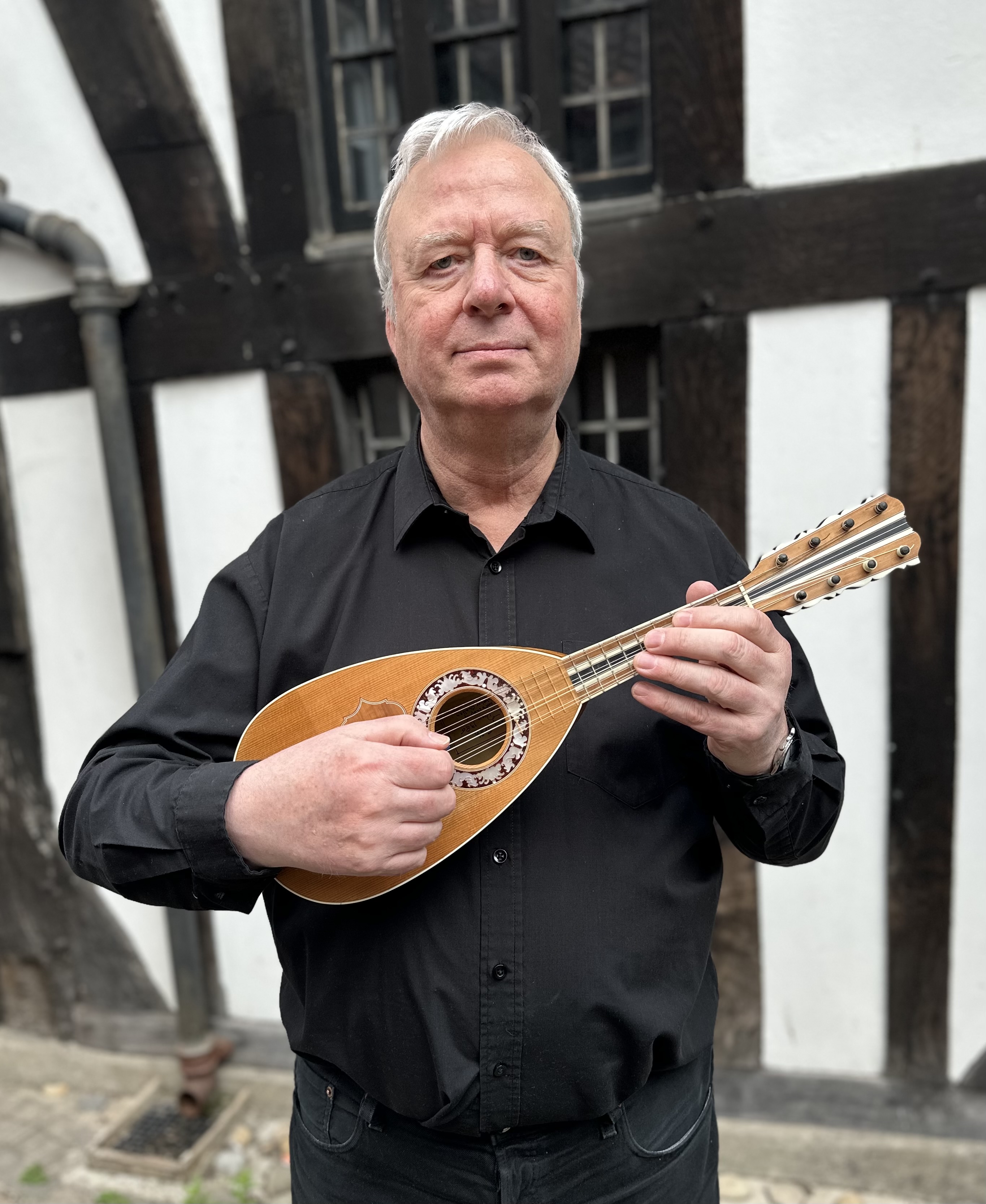
Paul Sparks studied music at the University of Sussex, mandolin with Hugo d’Alton, and lute with Robert Spencer. During the 1980s, he worked as a mandolinist and guitarist with various British orchestras, gave several recitals of mandolin and guitar music on BBC Radio 3, and completed his PhD thesis – A History of the Neapolitan Mandoline from its Origins until the early Nineteenth Century (City University, 1989). He has written three books for Oxford University Press – The Early Mandolin (1989, with James Tyler), The Classical Mandolin (1995), and The Guitar and its Music (2002, with Tyler) – and has been a writer and/or production executive for numerous BBC television music documentaries, including profiles of Jacques Brel, Artie Shaw, Jake Thackray, and Dudley Moore, as well as histories of Experimental Music, and the BBC Radiophonic Workshop. He is also one of the editors of The Great Vogue for the Guitar in Western Europe 1800-1840 (2023).
Kenneth Sparr (Sweden).

Kenneth Sparr received his Bachelor of Arts (History of Science, History of Literature and Philosophy) at the University of Lund, Sweden and a degree in librarianship in Stockholm. He has worked as a CIO at the municipality of Nynashamn, Sweden. Since the 1970s he has been researching early plucked instruments, with a focus on Swedish history. He has attended and given lectures at the CNRS in Tours, France, 1980, the Musée de la musique in Paris 1998 and American Musical Instrument Sociey (AMIS), Phoenix, in 2011 as well as the XVI Nordic Musicological Congress, Stockholm University in 2012. Lectures have also been given at the Royal College of Music in Stockholm and at the Carl Malmsten School (guitar building courses) as well as at the Bate Collection and Galpin Society meeting in Oxford in 2021. Kenneth Sparr has contributed to the second edition of Grove Dictionary of Musical Instruments and is a longstanding reviewer and writer for the Swedish journal Gitarr och Luta.. He has experience in building copies of historical plucked instruments as the lute and the guitar as well as the clavichord, but also in restoring guitars and an early Swedish square piano. One of the clavichords was built for the Stockholm Music Museum to be included in their collections and the building process was thoroughly documented. He is an amateur player of early plucked and keyboard instruments and collector of musical instruments as well as music prints and manuscripts. See his personal page at www.tabulatura.com.
Erik Stenstadvold (Norway).

Erik Stenstadvold is professor emeritus at the Norwegian Academy of Music, Oslo. He is a noted guitar historian and has published numerous articles on issues related to nineteenth-century guitar music and performing practice. His book, An Annotated Bibliography of Guitar Methods, 1760-1860 (Pendragon Press, 2010) has become a standard reference work on early guitar tutors. Stenstadvold has played a prominent role in the revival of the French guitarist-composer Antoine de Lhoyer, and has edited a three-volume critical edition of Lhoyer’s complete guitar duets (Chanterelle Edition, 2008). He was awarded the honorary prize Chitarra d’Oro for his musicological research at the 2008 Alessandria International Guitar Competition in Italy, and in 2010 he was appointed Chevalier de l’Ordre des Arts et des Lettres by the French Minister of Culture for his services to French music. Stenstadvold has also played several CDs on period instruments, in particular two world-premiere recordings of guitar duets by Antoine de Lhoyer (with Martin Haug) and two other recordings featuring François de Fossa’s arrangements for two guitars of early string quartets by or attributed to Haydn (with Jukka Savijoki). In 2021, Erik released a new critical edition, in 14 volumes, of Fernando Sor’s collected guitar music, published by Guitar Heritage (www.guitarheritage.com). He is also the author of three chapters, and co-author of one, in the new book, The Great Vogue for the Guitar in Western Europe.
Taro Takeuchi (Japan/UK).
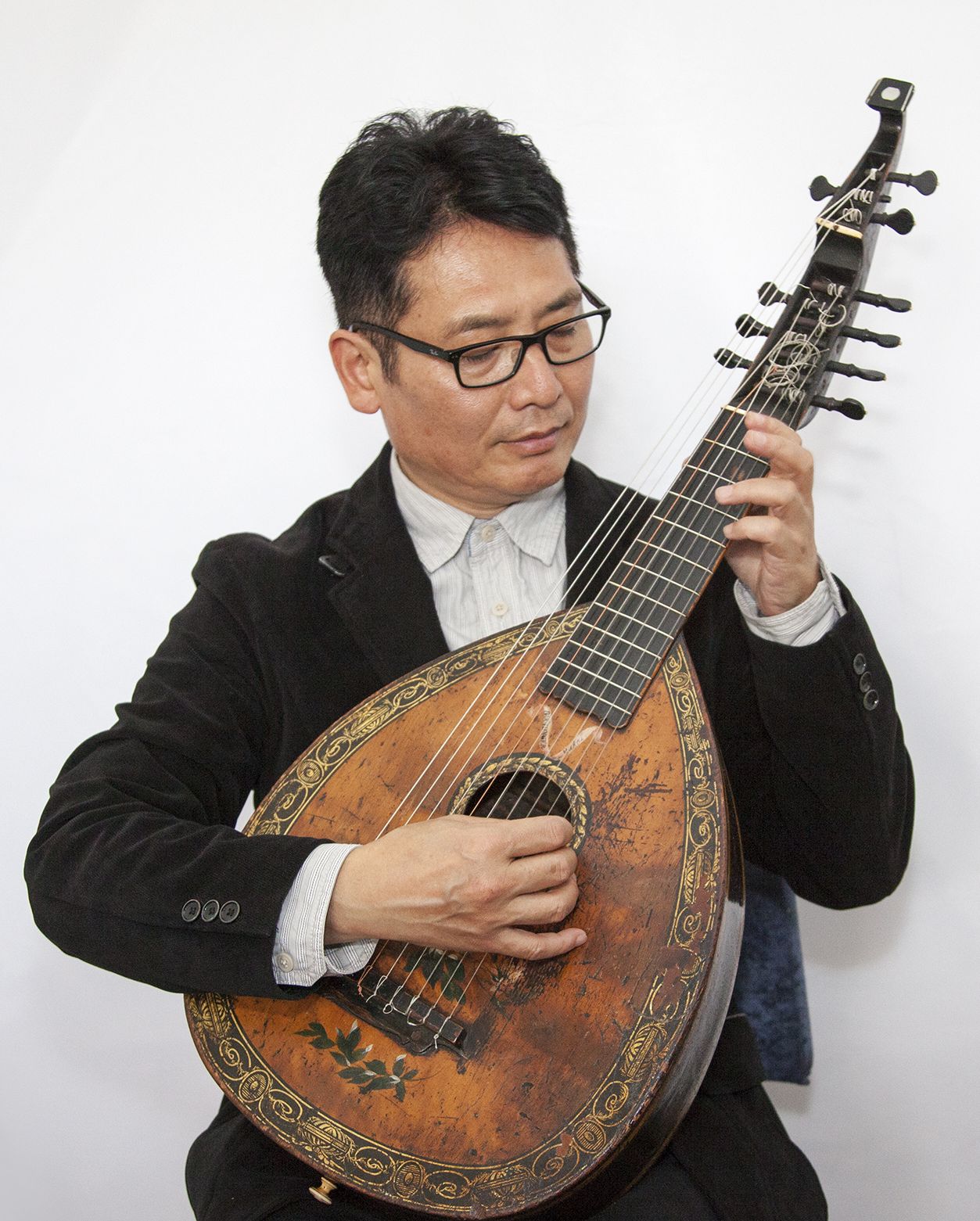
Taro Takeuchi was born in Kyoto, Japan. After completing his degrees in law and music in Tokyo, he studied early music at the Guildhall School of Music and Drama. He now lives in London and he has been in great demand as a soloist and ensemble player. Taro has toured most European countries, Australia, New Zealand, Taiwan, the USA and Japan. As a continuo player he has worked with The English Concert, The Royal Opera House, The Orchestra of the Age of Enlightenment, Berlin Philharmonic, as well as Sir Simon Rattle, Rachel Podger and Nigel Kennedy. He has made numerous recordings for Deux-Elles, EMI, Hyperion Records, Harmonia Mundi, the BBC and others. His solo recordings Folias!, The Century That Shaped the Guitar and Affectuoso: Virtuoso Guitar Music from the 18th Century were received with critical acclaim and high praise. See his website.
Ulrich Wedemeier (Germany).
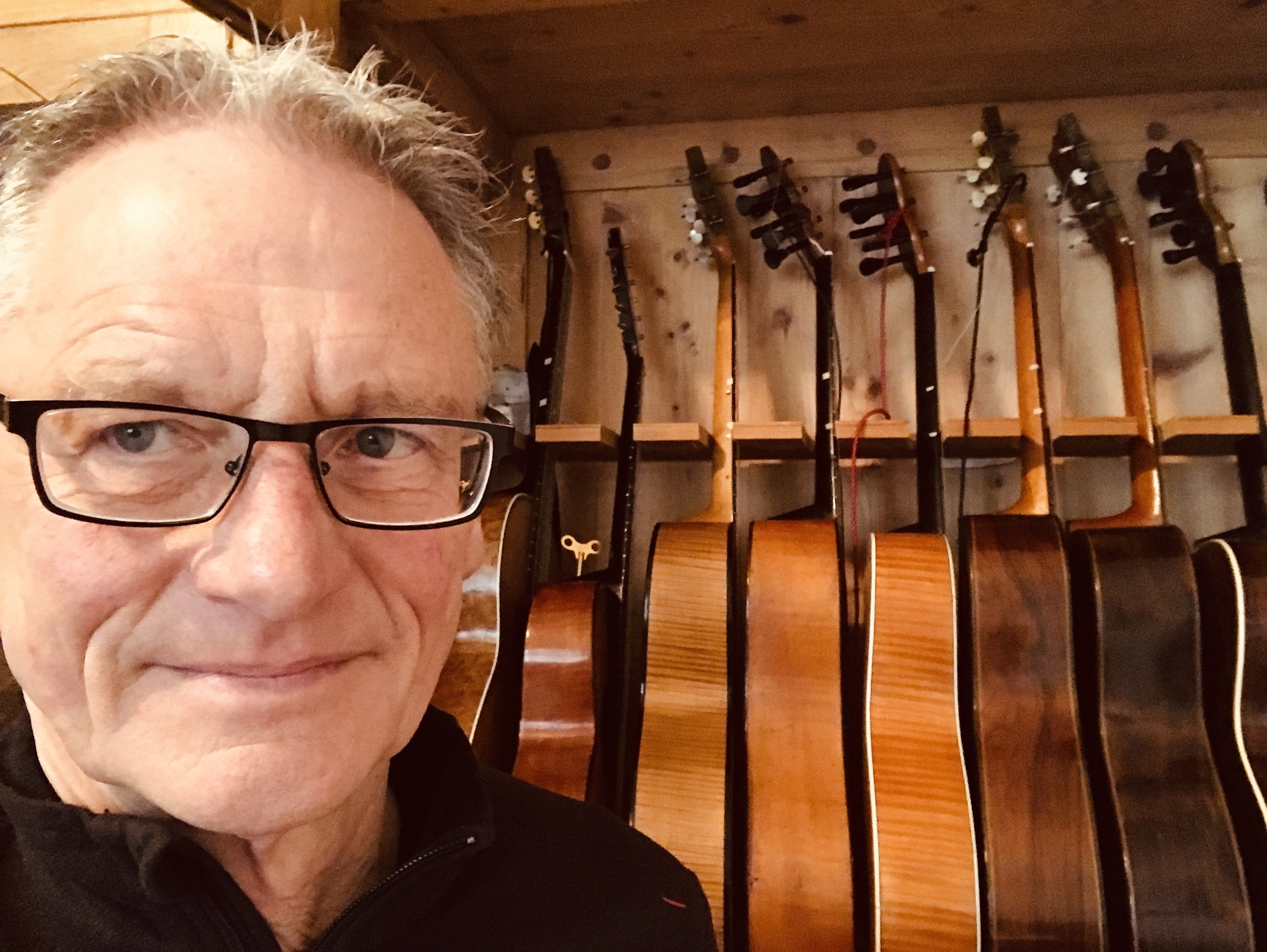
Ulrich Wedemeier first studied classical guitar at the Hochschule für Musik und Theater Hannover and subsequently specialized in playing lutes and historical guitars. Besides being active as a soloist and with renowned early music ensembles, he concentrates on CD and radio productions. In 2004 he received an ECHO KLASSIK award with the ensemble MUSICA ALTA RIPA for the CD “Telemann Vol. 1”, and in 2006 again an ECHO KLASSIK with HAMBURGER RATSMUSIK for the CD “Lübecker Virtuosen”. Ulrich Wedemeier is a guest at many opera houses. Concert tours have brought him through all of Europe, the USA, Southeast Asia, and Japan. His research about Madame Sidney Pratten led to his solo recording „velvet touch“, played on original Pratten-guitars. The book „Gitarre Zister Laute“ documents his collection of plucked instruments from 1600 to 1900. See his website: www.guitarcollection.de.
James Westbrook (UK).
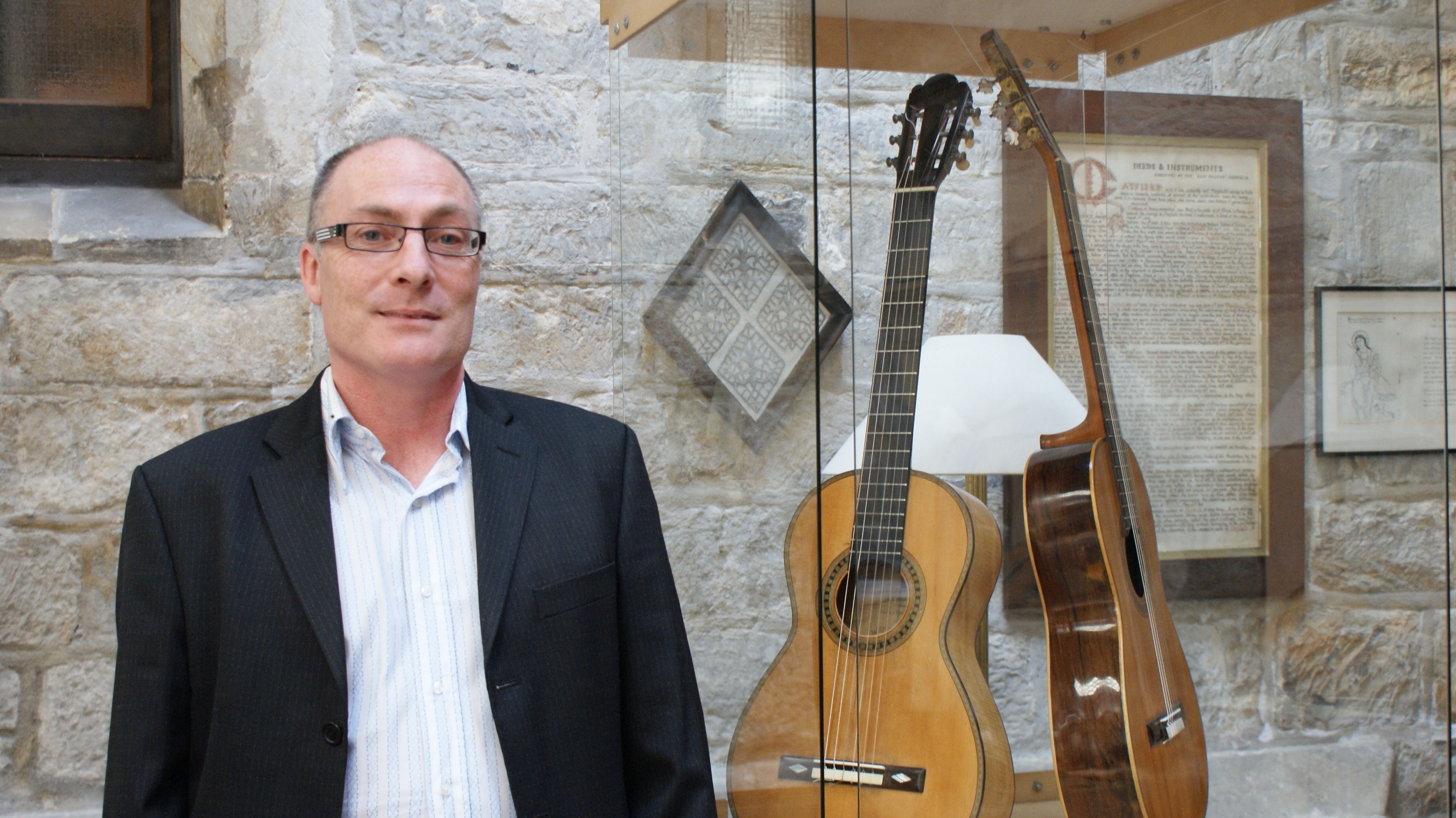
James Westbrook is a British-based guitar historian whose particular interest is the development of guitar construction. in 2010 he was the recipient of the O’May Studentship at the University of Cambridge, leading to the award of a PhD in 2013. From 2013–16 he held a Junior Research Fellowship at Wolfson College, Cambridge. He has been the recipient of the American Musical instrument Society’s Publication Grant, and the Terence Pamplin Award for Organology by the Musicians’ (Livery) Company, London. He was subsequently appointed Affiliated Research Scholar at the Music Faculty, Cambridge, and a Senior Research Fellow at Wolfson College, Cambridge. Currently he is a consultant for Brompton’s, a London auction house specialising in musical instruments, and also works as a luthier and restorer. He has been published in Early Music, Soundboard Journal, Journal of the American Musical Instrument Society and American Lutherie. He is a contributing author in Inventing the American Guitar: The Pre-Civil War Innovations of C. F. Martin and his Contemporaries (2013), The Cambridge Encyclopedia of Historical Performance in Music (2018) and in The Great Vogue for the Guitar in Western Europe 1800-1840 (2023). He is the author of four popular books: Guitars Through the Ages (2002), The Century that Shaped the Guitar (2006), An Illustrated History and Directory of Acoustic Guitars (2015) and Guitar Making in Nineteenth-century London: Louis Panormo and his Contemporaries (2023).
HONORARY MEMBERS
Tony Bingham (UK). Tony Bingham has sold his famous Hampstead premises, and although now officially retired will continue to run run his business just up the hill from the shop. He is planning to work on several unfinished projects, one of the first being an illustrated catalogue of his trade cards. See his website.
† Thomas F. Heck (USA).
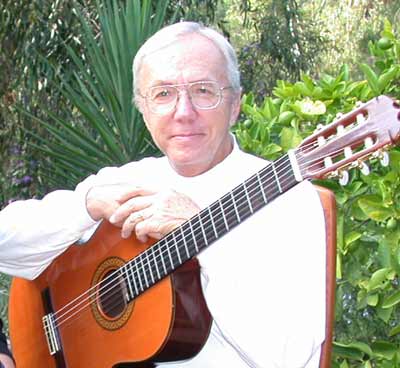
Thomas F. Heck, was a staunch supporter of the Consortium and crossed the Atlantic several times to attend its biennial meetings. He organised the creation of the Guitar Foundation of America (GFA) in 1973 and subsequently served it in various capacities: as Director, Archivist, Contributing Editor of Soundboard, and later Online Research Resources Librarian. For most of his career (1978-2000) Tom was professor and Head of the Music/Dance Library at the Ohio State University. In addition to writing Mauro Giuliani: virtuoso guitarist and composer (Columbus, 1995, revised as an e-book in 2012), he co-authored Picturing performance: the iconography of the performing arts in concept and practice (1999). He contributed articles to The New Grove dictionaries of music … in various editions since 1980, and was engaged in guitar-related research and publication. Tom passed away in 2021.
Brian Jeffery (UK).
Brian Jeffery is the author of the biography Fernando Sor Composer and Guitarist. In 2013 he published a new edition of the Arte de tocar la guitarra española (1799) of Fernando Ferandiere, this time with an introduction of forty pages (compared with the four-page introduction in his original modern edition of that work in 1977) incorporating much new information. In 2017 he published a new book, España de la guerra: the Spanish political and military songs of the war in Spain 1808 to 1814, a subject which is new and unexplored territory because these songs have not been studied before. The book is not especially about the guitar, but the principal composer of these political songs is Fernando Sor. In 2003 the annual guitar festival at Alessandria in Italy awarded him their Golden Guitar for his work in that field. In 2012 the Guitar Foundation of America appointed him to its Hall of Fame. He is the owner and director of the publishing firm Tecla Editions (www.tecla.com) which specializes in editions of guitar music at a high level of research and presentation.
Robert Coldwell (USA).

Robert Coldwell began his guitar research activities in 1991 and his first article, “History of the Guitar in Japan,” was published on Matanya Ophee’s Guitar and Lute Issues website in 1997. Online and print output of his research was formalized with his creation of Digital Guitar Archive and DGA Editions in 2005. Digital Guitar Archive, www.digitalguitararchive.com, contains numerous articles, over fifty thousand pages of historical guitar journals, and a database of over thirty thousand sheet music editions in library collections. The print catalog of DGA Editions, www.dga-editions.com, consists of twenty-five titles. His articles have been published in Il Fronimo, Gendai Guitar, Soundboard, and Soundboard Scholar.
Jeffrey Wells (USA).

Jeffrey Wells did undergraduate work at California State University, Northridge and received his Master of Music degree from the San Francisco Conservatory of Music. He has performed in guitar master classes for Andres Segovia, Julian Bream, Oscar Ghiglia, Alirio Diaz, Carlos Barbosa-Lima, and David Russell. Jeff is the owner of the Austin-Marie Collection which focuses on pre-modern-era guitars dating from the early seventeenth century through the latter half of the nineteenth century.
 The Cambridge Consortium for Guitar Research
Great Blog
Superb initiative, proud to see Cambridge taking the lead for this criminally neglected instrument, kudos to James Westbrook and Christopher Page here and looking forward to the Gresham Lectures.